Temperature-Controlled Storage Units
The D.C.-Maryland-Virginia area’s weather swings between extremes. Summer heat climbs into the 90s with thick humidity that creates oppressive conditions. Winter brings freezing temperatures that stress plumbing, crack materials, and cause expansion that damages stored items. Spring and fall transition rapidly between warm and cold, creating temperature swings that deteriorate electronics, crack wood, fade photographs, and invite mold growth. Standard storage units in this climate expose belongings to damage that costs far more than the storage itself. U-Store’s temperature-controlled units in Baltimore and Oxon Hill protect belongings from these extremes with climate stability that preserves what matters most.
Table of Contents
I. How DMV Weather Threatens Stored Items
II. How Temperature-Controlled Units Maintain Stability
III. Choosing Between Standard and Indoor Storage
IV. Frequently Asked Questions About Temperature Control
How the DMV’s Weather Threatens Stored Items
The DMV’s climate creates storage challenges throughout the year. Summer humidity hovers above 60 percent for months, creating conditions where moisture seeps into stored items continuously. Winter temperatures drop below freezing for extended periods, stressing water lines, expanding materials, and causing contraction that cracks finishes. These seasonal transitions happen suddenly, forcing materials through rapid expansion and contraction cycles that weaken joints, loosen fasteners, and cause warping.
Standard storage units expose belongings to the full range of outdoor temperature and humidity. A unit sitting in summer heat can climb to 120 degrees or higher inside, even when outdoor temperatures reach only 95 degrees. Poor insulation and minimal airflow trap this heat, concentrating damage far worse than outdoor exposure would create. Winter cold seeps in just as completely, subjecting items to freeze-thaw cycles that break materials.
Indoor storage units, especially temperature-controlled storage units, greatly reduce the risk of damage by keeping stored items in a consistent temperature range, no matter the weather outside.
How Temperature-Controlled Units Maintain Stability
Temperature-controlled storage uses integrated systems to maintain conditions that protect belongings from climate extremes. Insulated walls in the unit slow heat transfer from outside, buying time before interior conditions respond to outdoor temperature swings. Unlike single-wall construction that transmits heat directly, insulation creates a thermal buffer that reduces temperature fluctuation inside the unit.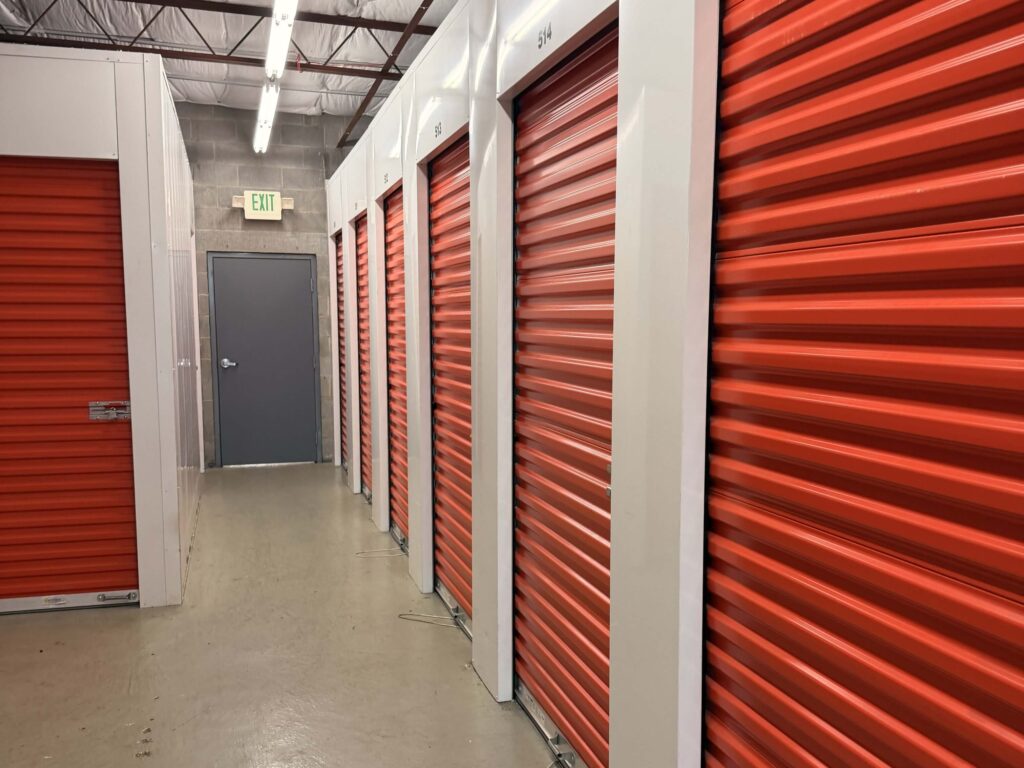
HVAC (heating, ventilation, and air-conditioning) systems then regulate temperature and humidity within a consistent range, typically between 55°F and 85°F with humidity managed to prevent mold growth while avoiding over-dryness that damages materials. This stability means your belongings experience neither the summer heat that breaks electronics nor the winter cold that stresses plumbing and materials. Humidity stays controlled, preventing the mold colonization that occurs in standard units during Maryland’s humid summers.
Sealed construction adds a final protection layer. Temperature-controlled units maintain an enclosed environment that keeps dust and pests out while maintaining the controlled climate inside. U-Store’s Baltimore and Oxon Hill facilities use these integrated systems to create storage conditions specifically designed for the area’s weather challenges.
Choosing Between Standard & Temperature-Controlled Storage
Whether you should rent standard and temperature-controlled storage depends on what you’re storing and for how long.
Durable items like tools, lawn equipment, holiday decorations, and sturdy furniture often handle standard storage fine if you’re storing them for a few months during a move or renovation. These items tolerate temperature swings without permanent damage.
Temperature-controlled storage becomes important when storing items sensitive to heat, cold, or humidity, or when storing anything long-term. A short-term move (under three months) might not justify temperature control costs. Anything longer than three months, or any storage of electronics, documents, photographs, artwork, or valuable furniture, benefits from temperature-controlled protection. The cost of storage proves negligible compared to replacing or restoring items damaged by Maryland weather.
Consider the item’s replacement cost and sentimental value. Electronics are expensive and vulnerable. Family photographs and heirlooms are irreplaceable. The protection is often worth the initial cost.
U-Store offers temperature-controlled units at both Baltimore and Oxon Hill locations, along with multiple unit sizes to match your storage needs. Whether storing a small collection of valuable items or an entire household’s sensitive belongings, temperature-controlled options provide protection matched to your situation.
Find Your Storage Solution Online
Online Rental Step by Step Guide | Self Storage Tips | Storage Unit Calculator| Unit Size Guide
Frequently Asked Questions About Temperature Control
What temperature range do temperature-controlled units maintain?
U-Store units maintain conditions between approximately 55°F and 85°F. This range keeps belongings safe from the DMV’s summer extremes and winter freezing temperatures.
Is temperature control worth the extra cost?
Yes, especially for long-term storage or valuable items. The cost of storage is minimal compared to replacing or repairing items damaged by temperature and humidity extremes.
How long should I store items in temperature control?
Even short-term storage (2-3 months) protects sensitive items from damage. Long-term storage (6+ months) makes temperature control especially worthwhile since damage accumulates over time.
What items benefit most from temperature control?
Electronics, photographs, documents, wood furniture, leather goods, artwork, instruments, and any valuable or irreplaceable items benefit from temperature-controlled protection.
Can I store temperature-sensitive collectibles?
Yes. Temperature control maintains conditions that preserve collectibles, antiques, artwork, and other valuable items that standard storage would damage.
Do humidity and temperature both matter when storing?
Yes. Humidity causes mold growth and moisture damage while temperature extremes cause materials to crack, warp, and deteriorate. Temperature-controlled units help to keep both levels managed, although they only directly control the temperature.
What if I only need temperature control for a few months?
U-Store offers flexible month-to-month leasing, so you pay for temperature control only during months when your items need protection.
Protect Your Belongings With U-Store’s Temperature Control
Weather extremes can damage stored belongings indiscriminately. Electronics degrade silently. Wood cracks imperceptibly. Photographs fade gradually. And by the time damage becomes obvious, it’s permanent. Temperature-controlled storage prevents this damage by maintaining conditions that preserve what matters most.
U-Store’s facilities in Baltimore and Oxon Hill, MD, offer temperature-controlled storage designed for the specific needs of DMV residents and businesses. Whether storing during a transition, protecting valuable items long-term, or safeguarding irreplaceable belongings, U-Store’s temperature-controlled units provide the protection your items deserve.
Visit U-Store online to explore unit sizes and pricing at Baltimore or Oxon Hill, or contact us to discuss your storage needs with a knowledgeable consultant who can match you with the right solution.